
What Is SMS Messaging and How Does It Work?
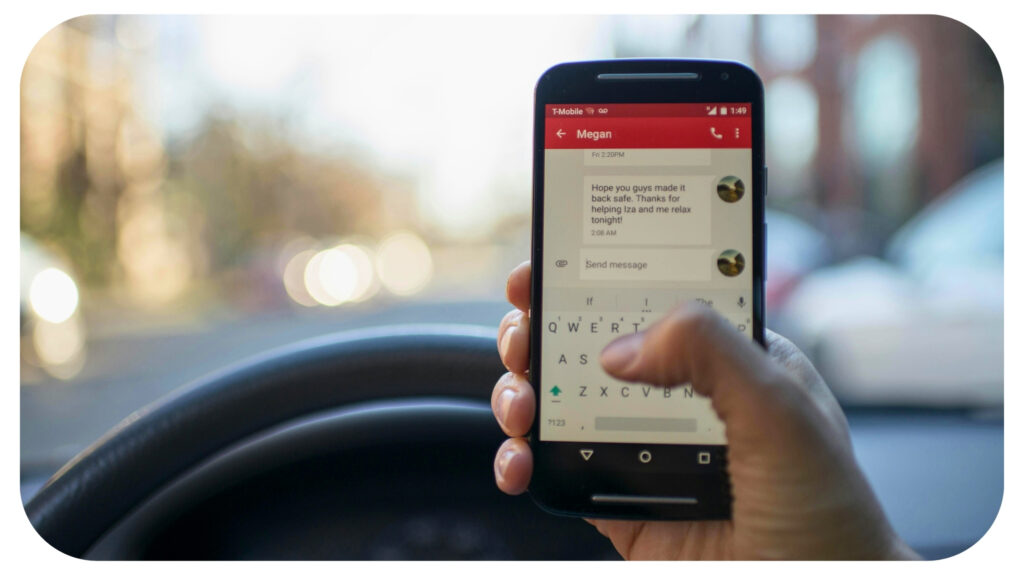
In the digital age, communication has become faster, simpler, and more accessible than ever before. Among the many tools available, SMS messaging remains one of the most widely used methods of connecting people. Whether for personal conversations, business updates, or emergency alerts, SMS has proven to be a reliable and efficient way to deliver information. But what exactly is SMS messaging, and how does it work behind the scenes? Understanding its mechanics and applications can help individuals and businesses make the most of this powerful communication tool.
The Basics of SMS Messaging
SMS stands for Short Message Service, a technology that allows users to send text messages between mobile devices. Introduced in the early 1990s, SMS quickly became a cornerstone of mobile communication. Each message is limited to 160 characters, making it concise and straightforward. Despite the rise of instant messaging apps and social media platforms, SMS continues to thrive because it does not require internet access and works across virtually all mobile phones. Its simplicity and universality make it a dependable option for reaching people quickly.
How SMS Travels Across Networks
Behind the scenes, SMS messaging relies on cellular networks to transmit information. When a message is sent, it travels from the sender’s phone to a nearby cell tower, then through the carrier’s network infrastructure, and finally to the recipient’s device. This process happens almost instantly, thanks to the efficiency of signaling systems within mobile networks. Unlike voice calls, SMS messages use a separate channel, which allows them to be delivered even when network traffic is high. This reliability is one of the reasons SMS remains a preferred method for critical communications, such as banking alerts or emergency notifications.
Applications in Business Communication
SMS is not just for personal use—it plays a significant role in business communication as well. Companies use SMS to send appointment reminders, promotional offers, and customer service updates. Its high open rate compared to email makes it an effective marketing tool. Businesses often rely on specialized systems to manage bulk messaging campaigns, ensuring that messages are delivered promptly and securely. For example, short code sms is commonly used by organizations to send high-volume messages quickly. These short codes, typically five or six digits long, allow businesses to communicate with large audiences efficiently while maintaining compliance with carrier regulations.
Advantages of SMS Messaging
One of the greatest strengths of SMS messaging is its accessibility. Unlike internet-based platforms, SMS does not require smartphones or data connections, making it available to nearly everyone with a mobile phone. It is also fast, with most messages delivered within seconds. Additionally, SMS is secure, as messages are transmitted through carrier networks rather than third-party applications. For businesses, SMS offers measurable results, with delivery reports and analytics helping to track campaign effectiveness. For individuals, it provides a simple, reliable way to stay connected without the distractions of more complex apps.
Limitations and Future Developments
While SMS messaging is highly effective, it does have limitations. The 160-character restriction can make it difficult to convey detailed information, and traditional SMS does not support multimedia content like images or videos. To address these gaps, many businesses and consumers turn to MMS (Multimedia Messaging Service) or internet-based messaging apps. However, advancements such as Rich Communication Services (RCS) are beginning to bridge the gap, offering features like read receipts, group chats, and media sharing while maintaining the reliability of SMS. As technology evolves, SMS is likely to remain a foundational tool, complemented by newer innovations that expand its capabilities.
Conclusion
SMS messaging is a simple yet powerful communication method that has stood the test of time. By transmitting short text messages across cellular networks, it provides a fast, reliable, and widely accessible way to connect people. From personal conversations to business campaigns, SMS continues to play a vital role in modern communication. While it has limitations, ongoing advancements promise to enhance its functionality and keep it relevant in the years to come. Understanding how SMS works and its applications ensures that individuals and businesses can use this tool effectively, making the most of its reliability and reach.

Recommended For You
Top Deals on eBay

Most Inside Editorial Team
MostInside is a trusted publication helping people navigate real decisions across health, finance, career, home, relationships and technology since 2009. Straight to What Matters.