

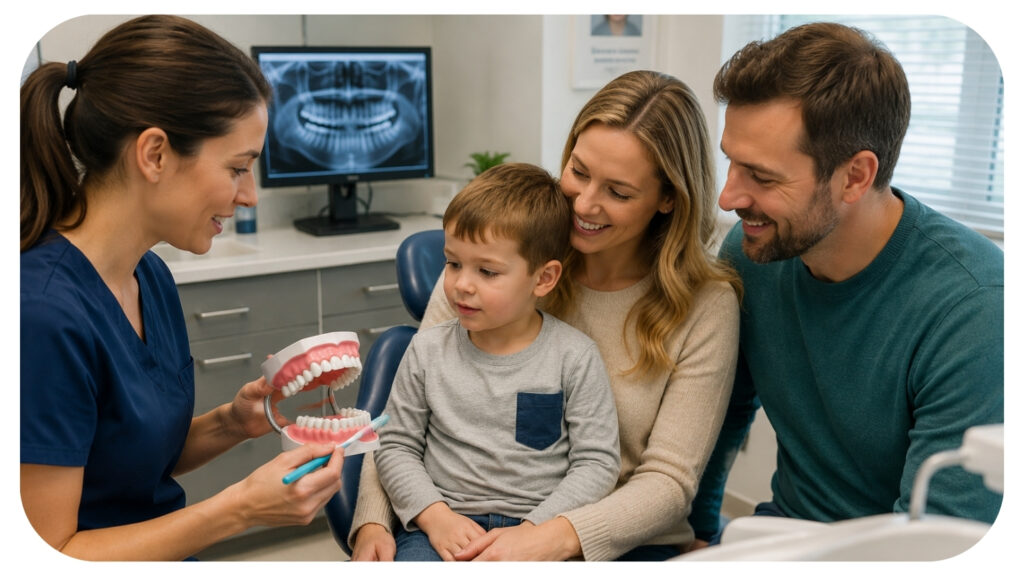
You might be feeling a quiet worry in the back of your mind every time a child says “my tooth hurts” or you notice a small chip after a fall. Most days everything seems fine, then suddenly you are googling “urgent dentist near me” or “dentist in Saint Paul” at 9 p.m., trying to calm a child who is scared and in pain. The shift from normal routine to dental crisis can feel abrupt and unfair.end
Because of this tension, you might wonder if regular checkups really make a difference, or if they are just another appointment on an already full calendar. The short answer is that they matter a lot. Thoughtful preventive visits are one of the strongest ways to protect your family from painful, expensive, and frightening dental emergencies. They help catch problems early, lower risks, and give you a plan before anything goes wrong.
This is about more than clean teeth. It is about avoiding late night trips to emergency clinics, surprise bills, and a child who suddenly refuses to eat because chewing hurts. With steady preventive care, most serious emergencies either never happen, or they are far less severe when they do.
Why do small dental issues suddenly turn into big emergencies?
Dental problems rarely appear out of nowhere. They usually build quietly over time. A tiny cavity, a bit of plaque near the gums, or a minor injury during sports can all seem harmless in the moment. Without preventive visits, those “small things” can turn into big things when you are least prepared.
Think about a common scenario. A child has a small cavity that does not hurt yet. There is no obvious sign that anything is wrong. Without a routine visit, that cavity continues to grow. One weekend, your child bites into something crunchy and suddenly feels sharp pain. Now you are dealing with a deep cavity, possible infection, and maybe even a need for a root canal or extraction. What started as a simple filling has become an emergency.
The same pattern happens with gum problems, orthodontic issues, or tiny fractures in teeth. They start silently. They stay silent for a while. Then they demand attention, often at the worst possible time.
So where does that leave you as a parent or caregiver who is already juggling so much?
Preventive dental visits interrupt that pattern. During a routine check, a family dentist can spot early decay, weak enamel, misaligned bites, or habits that increase risk, and then act before you ever reach the crisis point. The American Academy of Pediatric Dentistry outlines how regular examinations, cleanings, and guidance protect children’s oral health over time in its policy on periodic exams and preventive services.
How do preventive visits protect your family emotionally and financially?
When a dental emergency hits, it does not just hurt physically. It disrupts school, work, sleep, and peace of mind. Children can become fearful of dentists if their first real experience is during a painful procedure. Parents often feel guilty, even when they have done nothing wrong, and the financial pressure of urgent treatment can add another layer of stress.
The emotional cost can be high. A child who has a traumatic emergency visit may start to associate dental care with fear. That fear can make future visits harder, which then increases the chance of problems being ignored until they are serious again. It becomes a difficult cycle.
Financially, unplanned care is usually more expensive than planned prevention. A simple cleaning and small filling are far less costly than an emergency root canal, extraction, or hospital visit for facial swelling. Insurance plans also tend to cover preventive services more generously than urgent repairs. That means every routine visit is not just protecting teeth, it is protecting your budget.
Preventive care also helps during key growth stages. The AAPD’s guidance on oral health in adolescents shows how regular visits support teens as they deal with braces, sports, diet changes, and increasing independence. Early attention to these issues reduces the risk of sudden orthodontic emergencies or injuries from contact sports.
Because of all this, preventive dental care for families is not a luxury. It is a smart way to reduce both emotional and financial surprises.
What does the research say about prevention versus emergencies?
You might still wonder if the time and effort are worth it. A simple way to see the difference is to compare what happens when you rely mostly on urgent visits versus when you commit to regular preventive care with a trusted family dentist.
| Approach | What It Looks Like Day to Day | Typical Outcomes | Impact on Family Life |
|---|---|---|---|
| Waiting for problems to appear | Skip or delay cleanings. Go to the dentist only when there is pain or visible damage. | More large cavities, extractions, infections, and rushed decisions during emergencies. | Unplanned time off work and school. Higher stress. Higher and less predictable costs. |
| Regular preventive visits with a family dentist | Checkups and cleanings on a schedule. Early X-rays and exams. Ongoing guidance about habits and diet. | Most issues caught early. Fewer emergencies and less severe problems when they do occur. | More predictable routines. Lower stress. More control over costs and treatment choices. |
Schools and pediatric health organizations also recognize this. Many encourage dental checkups as part of overall readiness for learning. The AAPD’s statement on oral health exams for children in schools highlights how healthy teeth support attendance, concentration, and performance. Healthy mouths mean fewer missed days for toothaches or urgent dental visits.
When you step back, it becomes clear. Regular checkups are not just for “nice smiles.” They are a practical shield against unexpected dental emergencies for the whole family.
What can you do now to prevent unexpected dental emergencies?
It can feel overwhelming to change routines, especially if you have already been through a few urgent visits. You do not need to fix everything at once. Focus on a few strong steps that give you immediate traction.
1. Set a predictable preventive schedule for your family
Choose a family dentist and treat preventive visits like you treat school physicals or vaccine appointments. For most children, every six months is a good rhythm, though your dentist may adjust this based on risk. Put the appointments on a shared calendar, and try to keep them at similar times of year so they become part of the family routine.
Ask the dentist to walk you through each child’s specific risk level. Are they cavity prone. Do they play contact sports. Do they have braces. This helps you understand why the timing matters and what to watch for between visits.
2. Use each visit to get clear, practical guidance
Prevention is not just about cleaning. It is also about education that is tailored to your child. During visits, ask direct questions. What are the early warning signs of trouble. Are there spots we should watch. Is fluoride or sealant recommended. Are there habits, like sipping juice or using a bottle at night, that increase risk for emergencies later.
Encourage your child to ask questions too. When children understand what is happening in their own mouths, they are more likely to tell you early if something feels off. That early warning can prevent a small concern from becoming a true emergency.
3. Create simple at-home habits that support emergency prevention
Good home care makes preventive visits more effective and reduces urgent problems. Focus on a few basics that you can stick with. Twice daily brushing with fluoride toothpaste. Daily flossing for children whose teeth touch. Water instead of sugary drinks between meals.
Also have a basic “dental first aid plan” at home. Know what to do if a tooth is knocked out, if a filling breaks, or if a tooth suddenly becomes sensitive. Many family dentists offer guidance on what is urgent and what can wait a day. When you already have a relationship through family dental care, you are more likely to get calm, clear advice when something unexpected happens.
Moving forward with more control and less fear
You do not have to live in constant worry about the next late night toothache or chipped tooth. By choosing steady preventive visits with a trusted family dentist, you create a safety net for your children and for yourself. Problems are found early. Treatment is simpler. Costs are more predictable. Most importantly, your child’s experience with dental care is calmer and more trusting.
You deserve that sense of control. Your family does too. Start by scheduling the next preventive visit, then build from there. Each routine check is one more step away from unexpected emergencies and one more step toward steady, confident oral health for your whole family.
Recommended: Why Preventive Dentistry Is Crucial For Seniors’ Oral Health



Leave a Reply